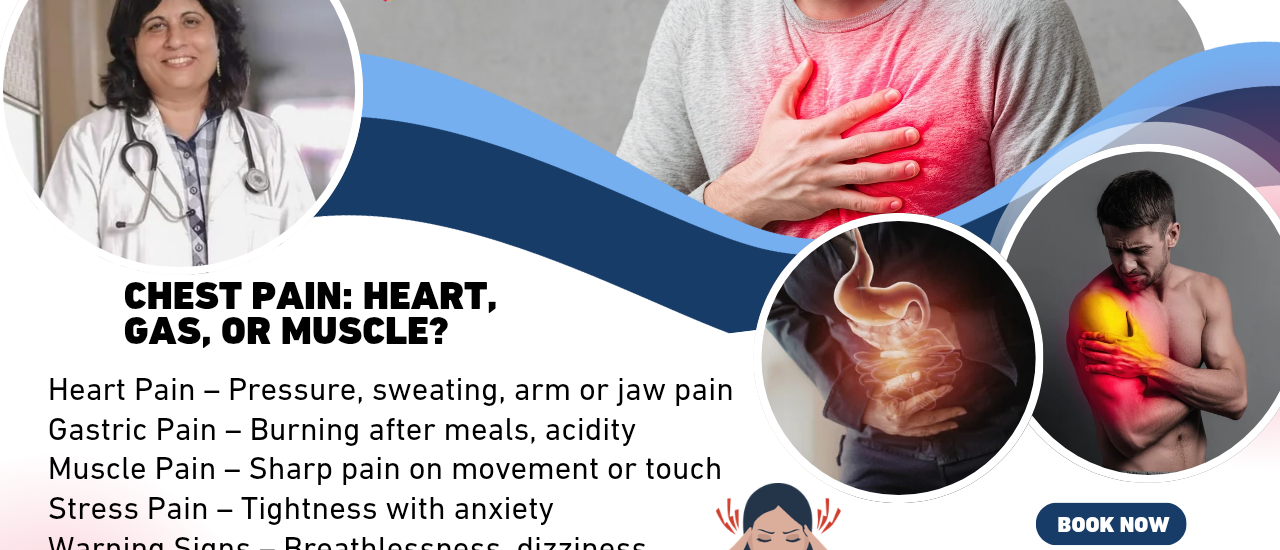
Chest pain is one of the most frightening symptoms a person can experience. The first thought that comes to mind is often a heart attack. While chest pain can be related to the heart, not all chest pain means a heart problem. In India, many people rush to emergency rooms or ignore symptoms due to confusion and fear.
Understanding the different causes of chest pain can help people react correctly and seek the right medical care at the right time.
Why Chest Pain Needs Attention
Chest pain should never be ignored. Some causes are harmless, but others can be life-threatening. Common reasons people experience chest pain include:- Heart-related problems
- Gastric or digestive issues
- Muscle or bone pain
- Lung-related conditions
- Anxiety or stress
Heart-Related Chest Pain (Cardiac Pain)
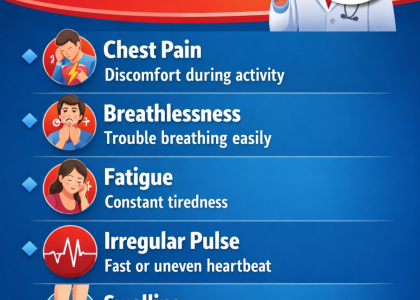
Heart-related chest pain is the most dangerous and needs immediate medical attention.Common Features of Cardiac Chest Pain:
- Pressure, heaviness, or tightness in the chest
- Pain spreading to the left arm, jaw, neck, or back
- Shortness of breath
- Sweating, nausea, or dizziness
- Pain triggered by physical activity or stress
Gastric Chest Pain (Acidity and Gas)
Many Indians experience chest pain due to stomach-related problems. Acid reflux and gas are very common.Features of Gastric Chest Pain:
- Burning sensation behind the chest bone
- Pain after eating spicy or oily food
- Relief after burping or taking antacids
- Pain worse when lying down
Muscular Chest Pain
Muscle strain or inflammation of the chest wall can also cause pain.Features of Muscular Chest Pain:
- Sharp or stabbing pain
- Pain increases with movement or deep breathing
- Tenderness when pressing the chest area
- History of heavy lifting, exercise, or injury
Anxiety and Stress-Related Chest Pain
Mental stress and anxiety are rising rapidly in India and can cause chest discomfort.Features of Stress-Related Chest Pain:
- Tightness or discomfort in the chest
- Palpitations
- Fast breathing
- Feeling of fear or panic
How to Tell the Difference
It can be difficult to differentiate chest pain causes without medical tests. However, these clues can help:- Sudden severe pain with sweating: Think heart
- Burning pain after meals: Think gastric
- Pain on movement or touch: Think muscular
- Pain with anxiety symptoms: Think stress
When Should You See a Doctor Immediately?
Seek emergency care if chest pain is:- Severe or sudden
- Lasting more than a few minutes
- Associated with breathlessness
- Accompanied by sweating or nausea
- Occurring in diabetics, elderly, or smokers
Tests Doctors May Advise
To find the exact cause, doctors may recommend:- ECG
- Blood tests
- Chest X-ray
- Echocardiography
- Endoscopy (if gastric cause suspected)