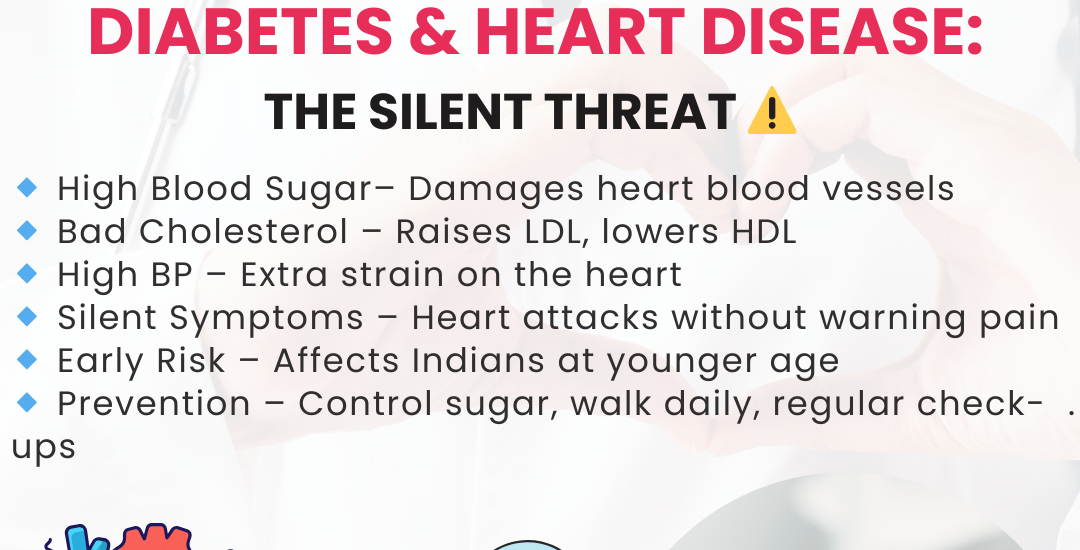
Diabetes and heart disease are two of the most common health problems in India today. What many people do not realise is that these two conditions are deeply connected. If a person has diabetes, their risk of developing heart disease becomes much higher. This connection is often silent, slow, and dangerous.
India is often called the “Diabetes Capital of the World.” At the same time, heart disease is one of the leading causes of death in the country. Understanding how diabetes affects the heart can help people take timely action and prevent serious complications.
Understanding Diabetes in Simple Terms
Diabetes is a condition where the level of sugar (glucose) in the blood remains high for a long time. This happens because:- The body does not make enough insulin, or
- The body cannot use insulin properly
- Type 2 Diabetes – Most common in India, linked to lifestyle, diet, and genetics
- Prediabetes – Blood sugar is higher than normal but not yet diabetes
How Diabetes Affects the Heart
High blood sugar damages blood vessels slowly. Over time, this damage affects the heart and increases the risk of serious heart problems. Here’s how diabetes harms the heart:- Damages blood vessels: Sugar injures the inner lining of arteries
- Increases cholesterol problems: Raises bad cholesterol (LDL) and lowers good cholesterol (HDL)
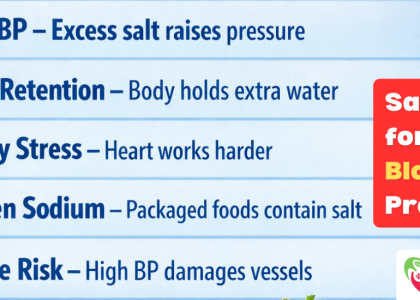
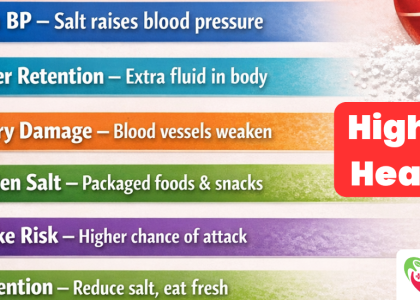
- Raises blood pressure: Diabetes often comes with high BP
- Causes inflammation: Makes arteries stiff and narrow
- Heart attack
- Angina (chest pain)
- Heart failure
- Sudden cardiac events
Why This Is a Major Problem in India
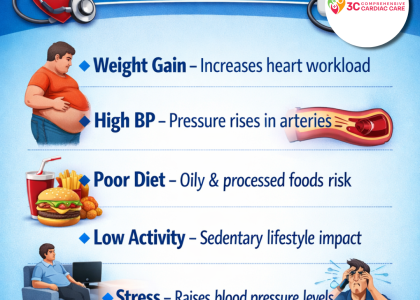
Several factors make Indians more vulnerable to diabetes-related heart disease:- High-carb diets (white rice, refined flour, sugar)
- Low physical activity
- High stress levels
- Genetic tendency for insulin resistance
- Early onset of diabetes (30s–40s)
Common Warning Signs to Watch For
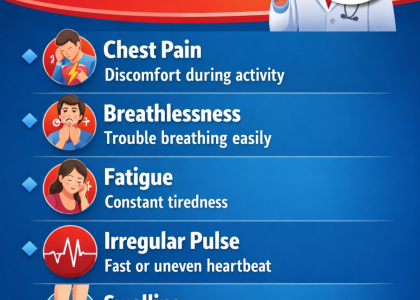
Heart disease in diabetic patients may not show typical symptoms. Still, some warning signs include:- Chest discomfort or heaviness
- Shortness of breath
- Unusual tiredness
- Sweating without reason
- Pain in jaw, neck, back, or left arm
The Cardio-Metabolic Syndrome Link
Many people with diabetes also suffer from a cluster of conditions known as cardio-metabolic syndrome, which includes:- High blood sugar
- High blood pressure
- High triglycerides
- Low HDL (good cholesterol)
- Excess belly fat
Prevention: Protecting the Heart with Diabetes
The good news is that heart disease is largely preventable, even if a person has diabetes.Simple but Powerful Steps:
- Control blood sugar: Regular monitoring and medicines as advised
- Manage blood pressure: Keep it within healthy limits
- Improve cholesterol levels: Through diet and medication if needed
- Eat smart:
- More vegetables, fruits, and whole grains
- Less sugar, fried food, and processed snacks
- Stay active: At least 30 minutes of walking daily
- Maintain healthy weight: Especially reduce belly fat
- Quit smoking and tobacco: Major risk factor for heart disease
Importance of Regular Heart Check-ups
If you have diabetes, heart check-ups are not optional — they are essential. Doctors may recommend:- Blood pressure monitoring
- Lipid profile (cholesterol test)
- ECG or stress test
- Heart imaging if required