Severe Chest Pain? The ONLY First Aid You Must Know

Chest pain is one of the scariest symptoms anyone can experience. When someone suddenly holds their chest, finds it hard to breathe, or feels a strong pressure — people around them often panic. But in reality, you don’t need to panic. You only need to know a few clear first-aid steps that can save someone’s life. This guide is written in very simple language, so even a 5th-standard child can understand what to do in an emergency. Let’s learn the only first aid everyone must know.
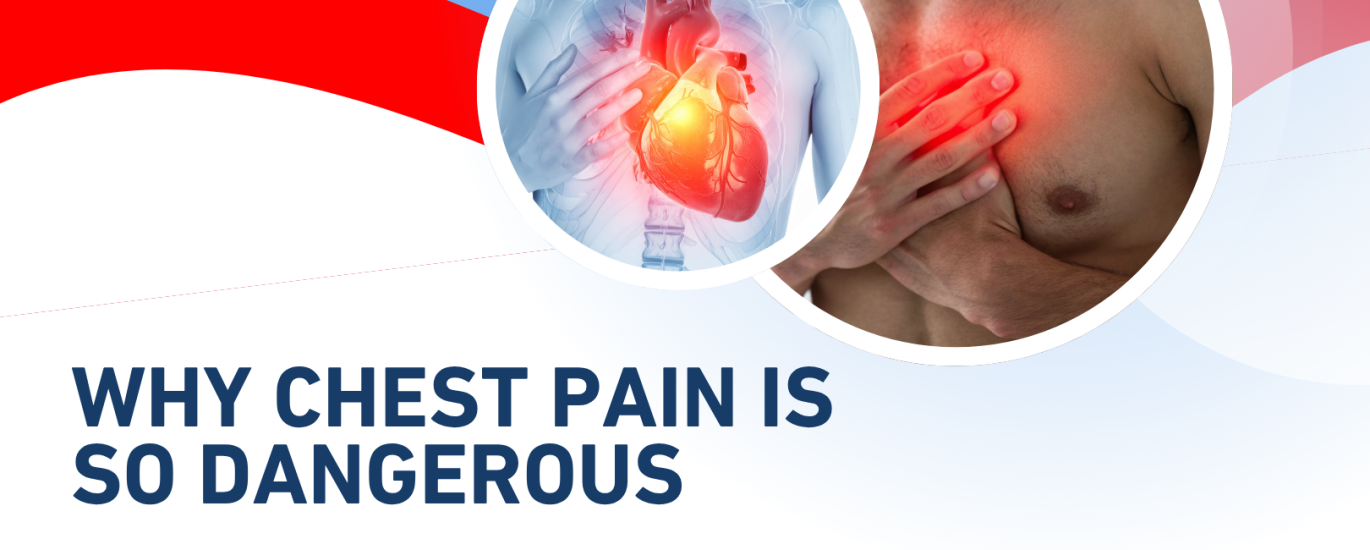
  1. Why Chest Pain Is So Dangerous
Severe chest pain is not like normal pain. It can mean:
  • The heart is not getting enough blood
  • There might be a blockage in the heart vessels
  • The heart muscles are becoming weak
  • A heart attack could be starting
A heart attack does not always look dramatic. Many times, it starts slowly — with heavy chest pressure, sweating, dizziness, or trouble breathing. That’s why quick action is extremely important.
  1. How to Identify Severe Chest Pain
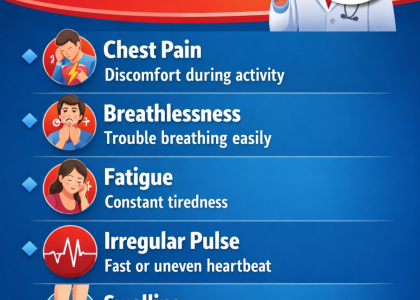
If you see someone having chest pain, check for these signs: Major warning signs
  • Tightness or pressure in the center of the chest
  • Pain spreading to the arm, jaw, neck, or back
  • Sudden sweating
  • Difficulty breathing
  • Feeling extremely weak
  • Nausea or vomiting
  • Feeling like “something bad is happening”
If even one or two of these signs are present, treat it as an emergency.
  1. First Aid Step 1: Stop Everything & Sit Down
Make the person sit in a comfortable position. The best position is:
  • Sit straight
  • Slightly lean back
  • Keep the shoulders relaxed
  • Avoid lying flat
Why? Because this position reduces pressure on the heart and makes breathing easier.
  1. First Aid Step 2: Call Emergency Help Immediately
The biggest mistake people make is waiting. Never wait. Never guess. Never hope it will go away. Call your emergency ambulance number immediately. In India: Dial 108 (Or your local emergency number) Even if the pain becomes mild after a few minutes, still call for help. Heart issues can get worse suddenly.
  1. First Aid Step 3: Give an Aspirin (If Available)
This is one of the most important steps! If the person is not allergic to aspirin and is able to swallow, give: One 300 mg tablet of Aspirin to chew Why chew? Chewing makes it work faster and helps stop the blood from clotting inside the heart. This simple step can save a life.
  1. What You SHOULD NOT Do
People commonly make dangerous mistakes. Here are things you must avoid: ❌ Do NOT give water ❌ Do NOT give food ❌ Do NOT force them to lie down ❌ Do NOT leave the person alone ❌ Do NOT wait to “see if it goes away” ❌ Do NOT massage the chest or hands ❌ Do NOT give unknown home remedies Every minute is important. Wrong actions can make things worse.
  1. First Aid Step 4: Make the Person Calm & Still
Ask the person to:
  • Take slow breaths
  • Avoid talking too much
  • Stay still
  • Not walk anywhere
Stress increases heart load. Calmness helps the heart. You can hold their hand or speak softly to make them feel safe.
  1. First Aid Step 5: Check Their Pulse & Breathing
You don’t need to be a doctor for this. Just observe:
  • Is the chest rising and falling?
  • Is the breathing very fast or too slow?
  • Is the pulse very weak or pounding?
If the person becomes unconscious or stops breathing — immediately start CPR if you know how. Even basic chest compressions can save a life until help arrives.
  1. What to Do If the Person Takes Heart Medicines
Some people already have heart problems and carry medicines like:
  • Nitro spray
  • Sorbitrate tablets
If they already use these medicines and doctor has advised them before, you may help them take it. But: Do NOT give these medicines to someone who has never used them before. Stick to aspirin and emergency help.
  1. Why Quick Action Matters (Explained Simply)
Imagine the heart as a water pump. If the pipe gets blocked, water cannot move, and the pump gets damaged. A heart attack is like that. The earlier you open the pipe, the better the heart survives. If a person reaches the hospital within:
  • Golden 1 hour → Highest chance of survival
  • 3 hours → Good chance
  • 6 hours → Serious risk
  • After 6 hours → Heart damage increases
That’s why calling an ambulance immediately is the most important thing.
  1. What Happens in the Hospital? (Simple Explanation)
Doctors will:
  • Do an ECG
  • Check blood tests
  • Give medicines to open the blockage
  • Sometimes do an angiography
  • Insert a stent if needed
These treatments work best when started early.
  1. Final Summary: The ONLY First Aid You Must Know
Let’s make it extremely simple: If someone has severe chest pain:
  1. Make them sit down
  2. Call emergency help (108)
  3. Give one 300 mg Aspirin to chew
  4. Keep them calm and still
  5. Watch breathing until help arrives
That’s all. These steps can save a life — maybe your loved one’s. Infographic Content (30 Words) Main Heading: Severe Chest Pain: The ONLY First Aid Pointers:
  • Sit the person upright
  • Call emergency (108)
  • Give 300 mg Aspirin to chew
  • Keep them calm, still, and monitored
 

Leave a Reply

Your email address will not be published. Required fields are marked *

More from Doctor's Diary