Chest pain is one of the scariest symptoms anyone can experience. When someone suddenly holds their chest, finds it hard to breathe, or feels a strong pressure — people around them often panic. But in reality, you don’t need to panic. You only need to know a few clear first-aid steps that can save someone’s life.
This guide is written in very simple language, so even a 5th-standard child can understand what to do in an emergency.
Let’s learn the only first aid everyone must know.
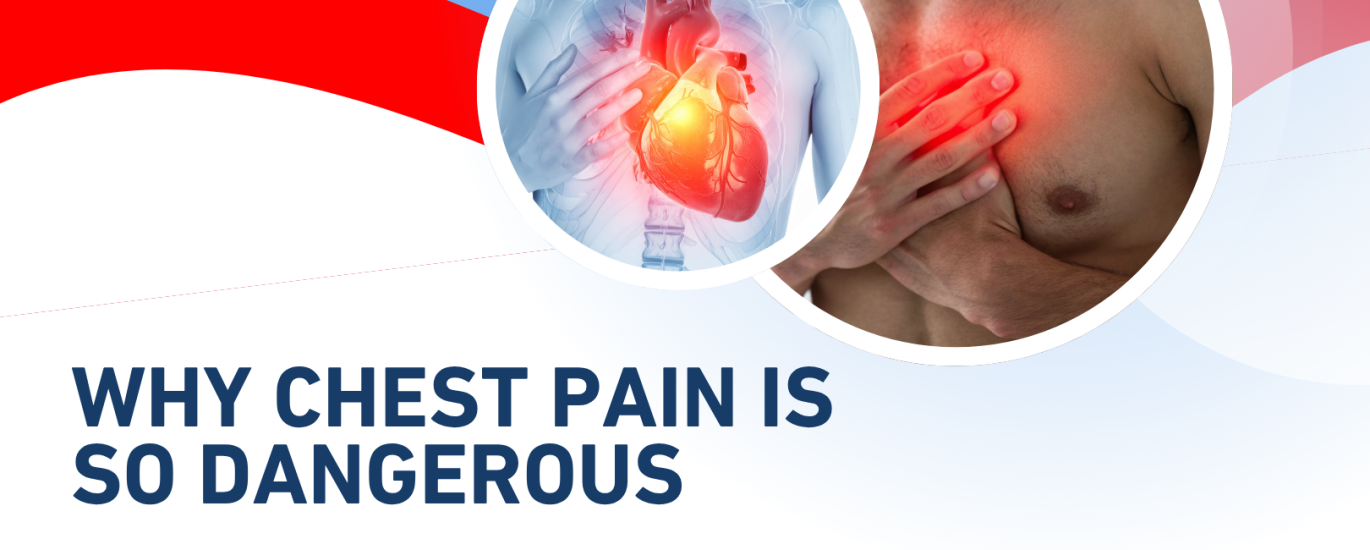
- Why Chest Pain Is So Dangerous
- The heart is not getting enough blood
- There might be a blockage in the heart vessels
- The heart muscles are becoming weak
- A heart attack could be starting
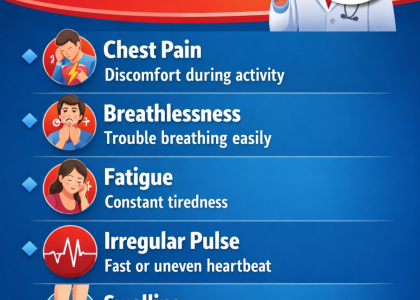
- How to Identify Severe Chest Pain
- Tightness or pressure in the center of the chest
- Pain spreading to the arm, jaw, neck, or back
- Sudden sweating
- Difficulty breathing
- Feeling extremely weak
- Nausea or vomiting
- Feeling like “something bad is happening”
- First Aid Step 1: Stop Everything & Sit Down
- Sit straight
- Slightly lean back
- Keep the shoulders relaxed
- Avoid lying flat
- First Aid Step 2: Call Emergency Help Immediately
- First Aid Step 3: Give an Aspirin (If Available)
- What You SHOULD NOT Do
- First Aid Step 4: Make the Person Calm & Still
- Take slow breaths
- Avoid talking too much
- Stay still
- Not walk anywhere
- First Aid Step 5: Check Their Pulse & Breathing
- Is the chest rising and falling?
- Is the breathing very fast or too slow?
- Is the pulse very weak or pounding?
- What to Do If the Person Takes Heart Medicines
- Nitro spray
- Sorbitrate tablets
- Why Quick Action Matters (Explained Simply)
- Golden 1 hour → Highest chance of survival
- 3 hours → Good chance
- 6 hours → Serious risk
- After 6 hours → Heart damage increases
- What Happens in the Hospital? (Simple Explanation)
- Do an ECG
- Check blood tests
- Give medicines to open the blockage
- Sometimes do an angiography
- Insert a stent if needed
- Final Summary: The ONLY First Aid You Must Know
- Make them sit down
- Call emergency help (108)
- Give one 300 mg Aspirin to chew
- Keep them calm and still
- Watch breathing until help arrives
- Sit the person upright
- Call emergency (108)
- Give 300 mg Aspirin to chew
- Keep them calm, still, and monitored