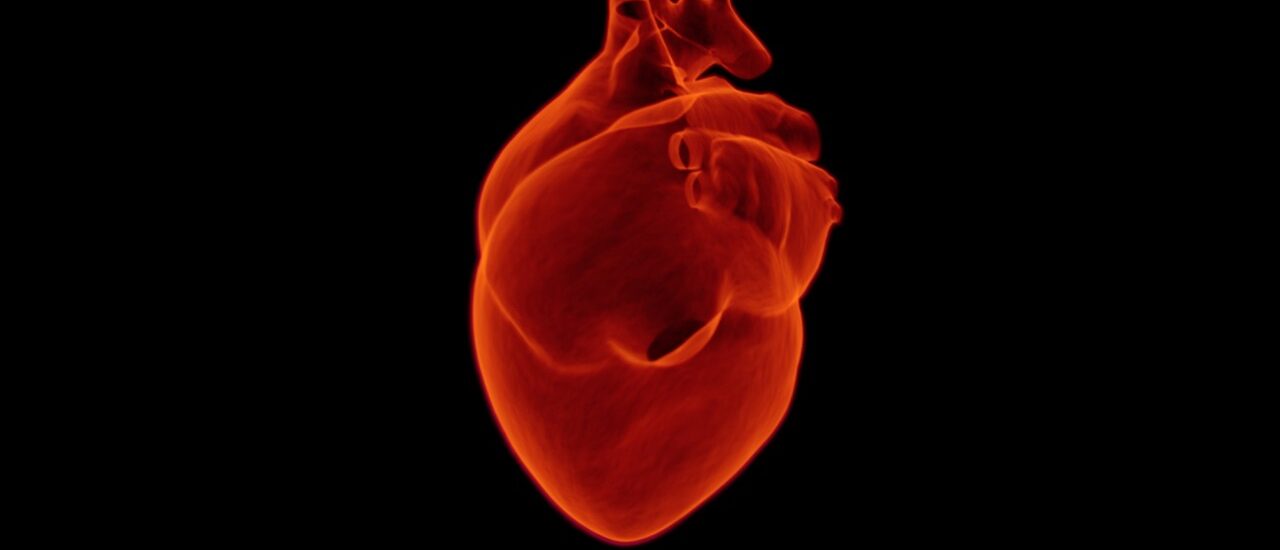
Heart attack, also known as a myocardial infarction, is a potentially life-threatening condition that occurs when there is a sudden blockage in the blood flow to the heart. This blockage, usually caused by a build-up of plaque in the arteries, prevents oxygen and nutrients from reaching the heart muscle, causing it to become damaged or die.
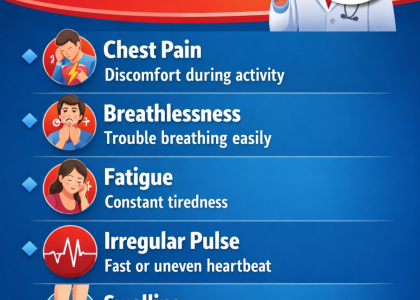
The most common symptom of a heart attack is severe chest pain or discomfort, which may feel like a crushing or squeezing sensation. Other symptoms may include shortness of breath, nausea, sweating, lightheadedness, or pain in the arms, back, neck, or jaw.
It is important to note that a heart attack can occur suddenly or over a period of time, and it is important to seek medical attention immediately if you suspect that you or someone else may be having a heart attack.
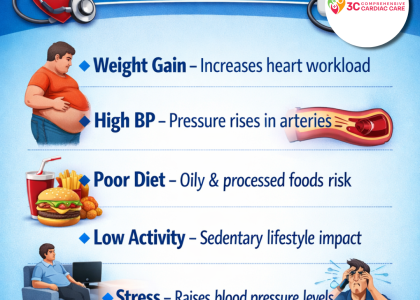
If left untreated, a heart attack can cause permanent damage to the heart muscle, or even death. Risk factors for heart attack include age, smoking, obesity, high cholesterol, diabetes, and a family history of heart disease. It is important to reduce your risk of heart attack by making lifestyle changes, such as exercising regularly, eating a healthy diet, and not smoking.
If you think you or someone else may be having a heart attack, act quickly by calling 911 and getting to the hospital as soon as possible. Timely diagnosis and treatment are essential to prevent serious complications and even death.