Heart health is something many people ignore until serious symptoms appear. However, early consultation with a cardiologist can help prevent major complications like heart attacks or stroke. In India, rising stress levels, unhealthy diets, and lack of physical activity are increasing heart-related problems even among younger individuals.
Knowing when to visit a cardiologist can make a big difference in protecting your health.
Why Early Check-Up Matters
Heart diseases often develop silently over time. By the time symptoms become severe, the condition may already be advanced. Regular check-ups can help:- Detect problems early
- Prevent complications
- Manage existing conditions effectively
- Improve overall heart health
Warning Signs You Should Not Ignore
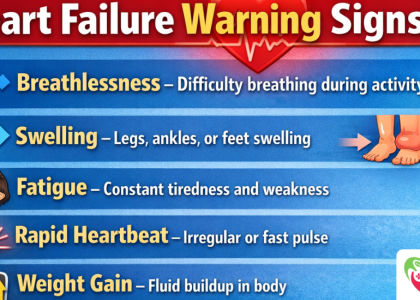
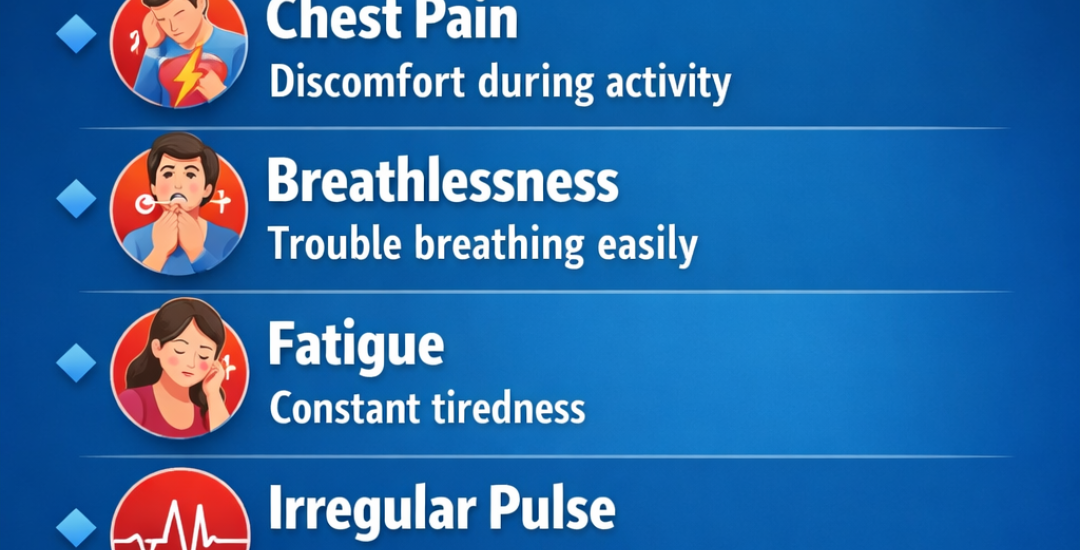
Certain symptoms may indicate that your heart needs medical attention. You should consult a cardiologist if you experience:- Chest pain or discomfort, especially during activity
- Shortness of breath, even with mild effort
- Frequent fatigue or weakness
- Irregular or fast heartbeat
- Dizziness or fainting spells
- Swelling in legs, ankles, or feet
Who Should Visit a Cardiologist Regularly?
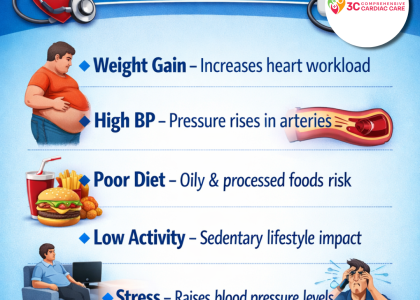
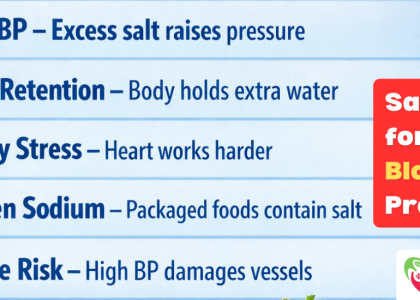
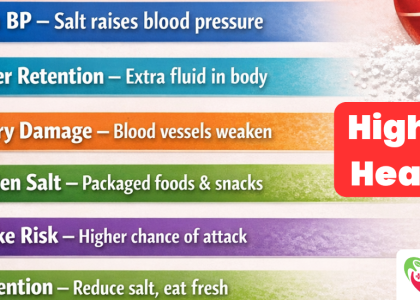
Some individuals are at higher risk of heart disease and should get regular check-ups. You may need routine consultation if you have:- High blood pressure
- Diabetes
- High cholesterol
- Obesity
- Family history of heart disease
- Smoking or alcohol habits
When to Seek Immediate Medical Help
Certain symptoms require urgent medical attention. Seek immediate help if you notice:- Severe chest pain or pressure
- Pain spreading to arm, jaw, or back
- Sudden breathlessness
- Cold sweats or nausea
How Often Should You Get a Heart Check-Up?
- Healthy adults: Once every 1–2 years
- High-risk individuals: As advised by a doctor
- After age 40: Annual check-up is recommended