Heart disease is often considered a problem that mainly affects men. However, this belief is incorrect. In reality, heart disease is one of the leading causes of death among women worldwide, including in India. The challenge is that many women experience different or “silent” symptoms compared to men, which makes the condition harder to recognize.
Understanding these symptoms and risk factors can help women seek medical care early and protect their heart health.
Why Heart Disease in Women Is Often Missed
Many women ignore early warning signs because they are subtle or mistaken for other health issues such as fatigue, stress, or acidity. In India, additional factors may increase the risk, including:- Busy lifestyle and stress
- Hormonal changes after menopause
- Diabetes and high blood pressure
- Lack of regular health check-ups
- Poor diet and lack of physical activity
Silent Symptoms Women Should Not Ignore
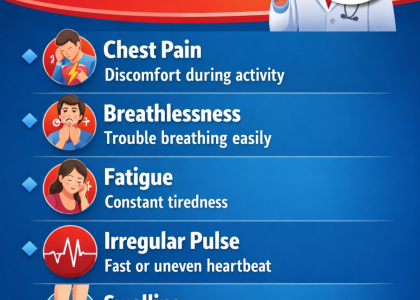
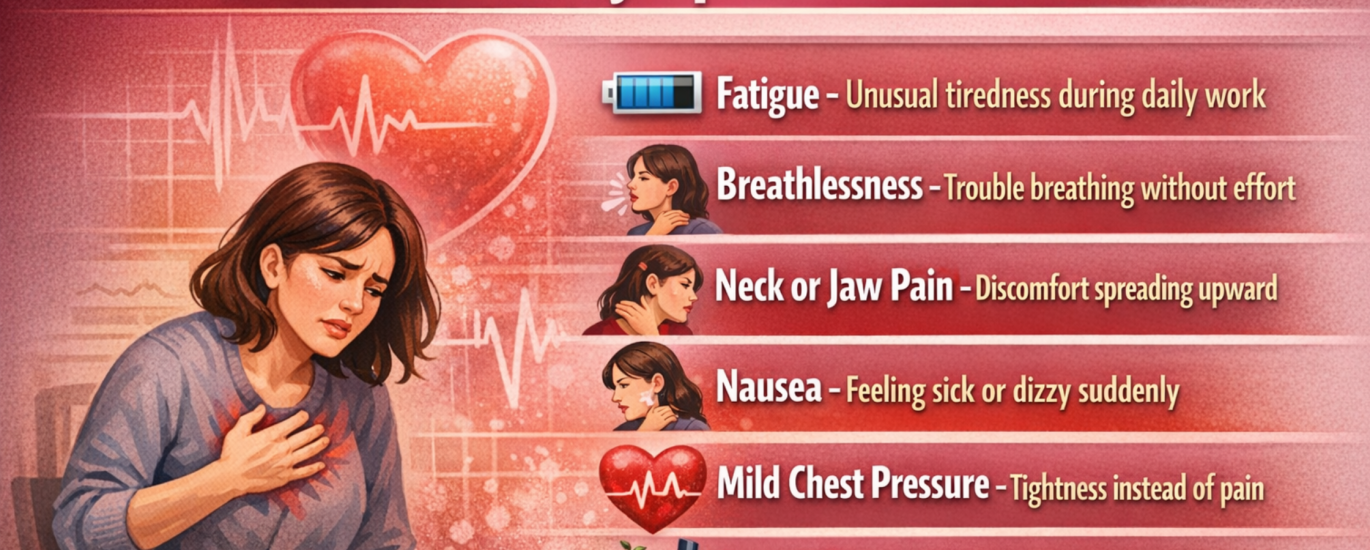
Heart disease symptoms in women are often different from the classic chest pain seen in men. Some signs may seem mild but can still indicate serious heart problems. Common silent symptoms include:- Unusual fatigue even after light activity
- Shortness of breath
- Discomfort in the neck, jaw, shoulder, or back
- Nausea or dizziness
- Mild chest pressure or tightness
- Difficulty sleeping due to breathing discomfort
Risk Factors That Increase Heart Disease in Women
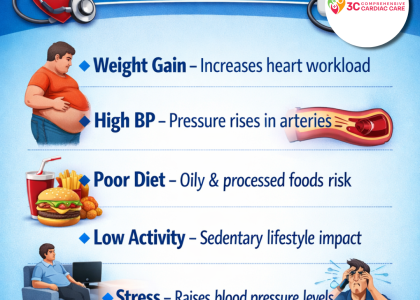
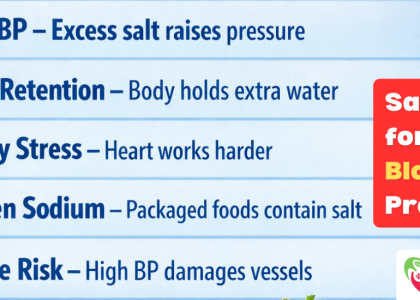
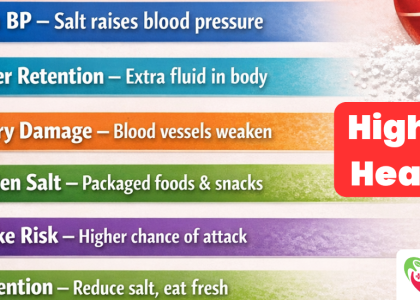
Certain health conditions can increase the risk of heart disease in women. Important risk factors include:- High blood pressure
- Diabetes
- High cholesterol
- Obesity
- Smoking
- Family history of heart disease
How Women Can Protect Their Heart
The good news is that many heart diseases can be prevented with healthy lifestyle habits. Simple steps to protect heart health include:- Eating a balanced diet with fruits, vegetables, and whole grains
- Exercising regularly, such as walking for 30 minutes daily
- Managing stress through relaxation or yoga
- Avoiding smoking and limiting alcohol consumption
- Monitoring blood pressure, sugar, and cholesterol levels
- Scheduling regular health check-ups