Heart failure is a serious health condition that affects millions of people around the world, including a growing number in India. Despite its name, heart failure does not mean that the heart has stopped working. Instead, it means the heart is not pumping blood as effectively as it should.
When the heart cannot supply enough blood and oxygen to the body, it can lead to fatigue, breathing problems, and other health complications. Understanding the symptoms, causes, and treatment options can help people seek timely medical care and protect their heart health.
What Is Heart Failure?
Heart failure occurs when the heart becomes weak or stiff and cannot pump blood properly. As a result, the body does not receive the oxygen and nutrients it needs. This condition usually develops slowly over time and may be linked with other health problems such as high blood pressure, diabetes, or coronary artery disease.Common Symptoms of Heart Failure
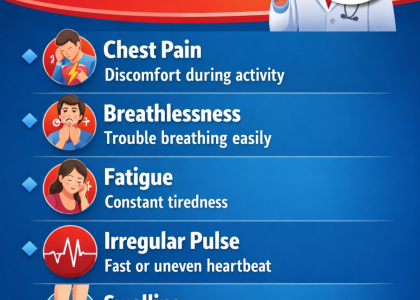
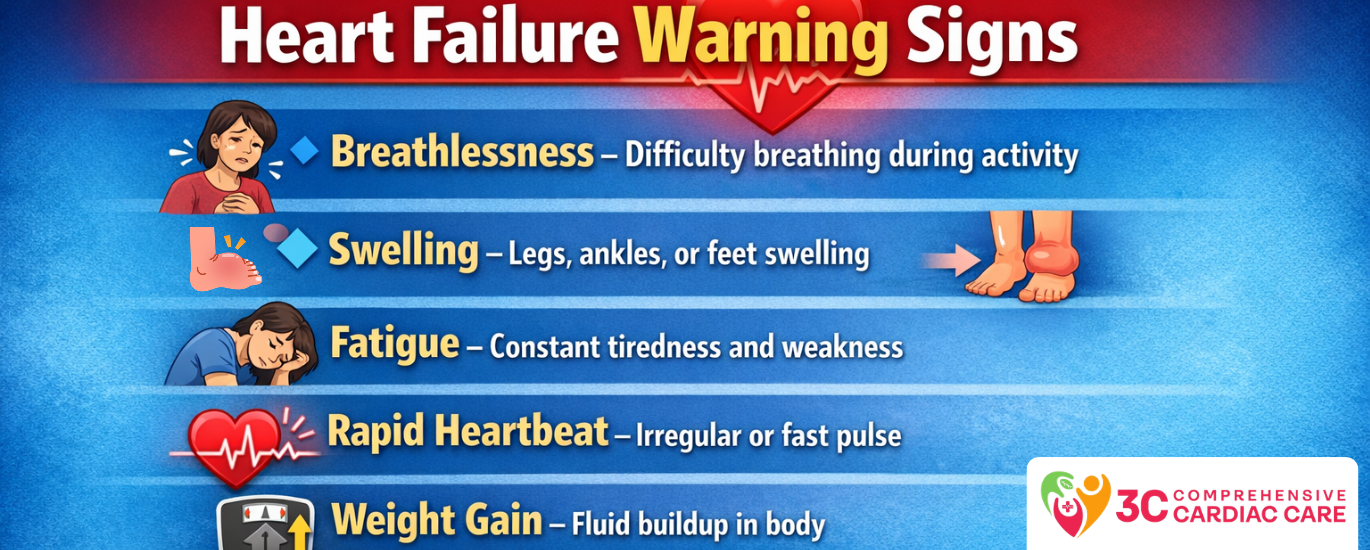
Heart failure symptoms can vary from person to person. Some people may experience mild symptoms, while others may face severe health issues. Common symptoms include:- Shortness of breath, especially during physical activity
- Swelling in the legs, ankles, or feet
- Persistent fatigue or weakness
- Rapid or irregular heartbeat
- Difficulty lying flat due to breathing problems
- Sudden weight gain due to fluid buildup
Causes of Heart Failure
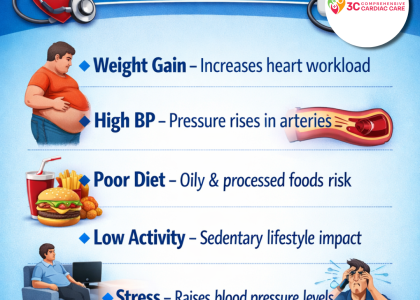
Several health conditions can weaken the heart and lead to heart failure. In India, lifestyle changes and rising stress levels are contributing to increasing heart-related problems. Some common causes include:- High blood pressure
- Coronary artery disease
- Heart attack
- Diabetes
- Obesity
- Long-term alcohol or tobacco use
Treatment Options for Heart Failure
Although heart failure is a chronic condition, proper treatment and lifestyle changes can help people live a healthier life. Treatment options may include:- Medications to improve heart function and reduce fluid buildup
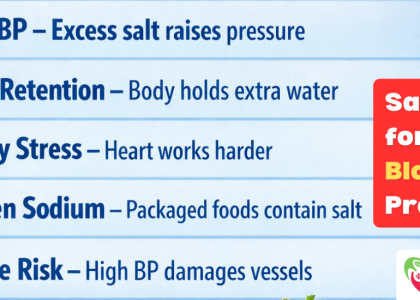
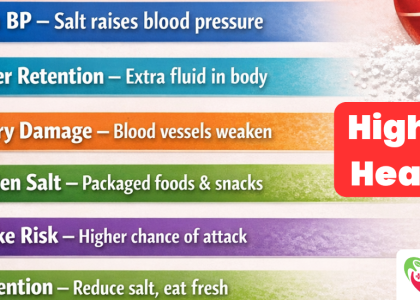
- Lifestyle changes such as a low-salt diet and regular physical activity
- Monitoring blood pressure and blood sugar levels
- Avoiding smoking and excessive alcohol consumption
- Regular medical check-ups with a cardiologist