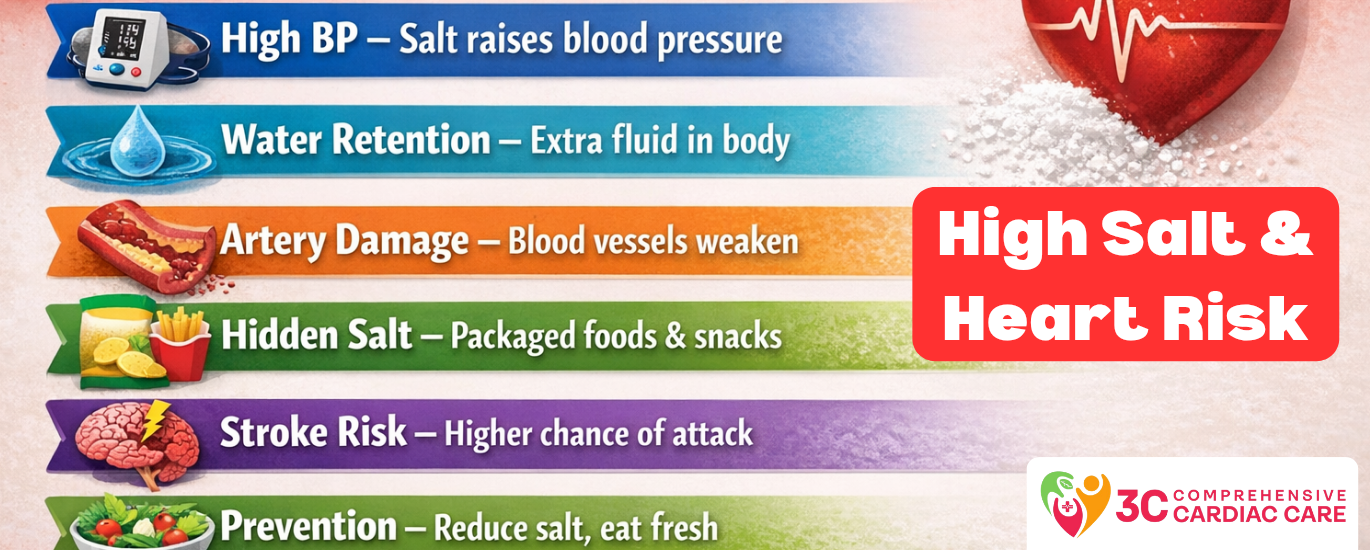
Salt is a common ingredient in almost every meal. It enhances taste and is widely used in Indian cooking, from curries to snacks. However, consuming too much salt can quietly harm the heart. Many people are unaware that excessive salt intake is one of the major reasons for high blood pressure, which increases the risk of heart disease and stroke.
Understanding how salt affects the heart can help individuals make better food choices and protect their long-term health.
Why Salt Matters for Heart Health
Salt contains sodium, a mineral that helps control fluid balance in the body. While the body needs a small amount of sodium, too much of it can cause serious health problems.
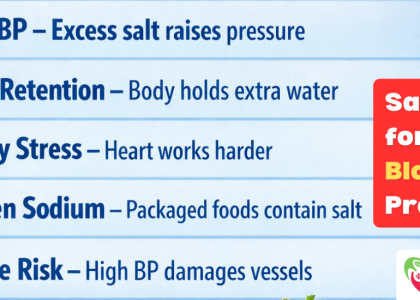
When a person consumes excess salt, the body retains more water. This increases the volume of blood flowing through the blood vessels, which raises blood pressure. Over time, high blood pressure can damage the heart and arteries.
How Excess Salt Affects the Heart
Regularly eating foods high in salt can lead to several heart-related problems.
Some major effects include:
- High blood pressure, forcing the heart to work harder
- Damage to blood vessels, making arteries less flexible
- Increased risk of heart attack and stroke
- Fluid retention, which can strain the heart
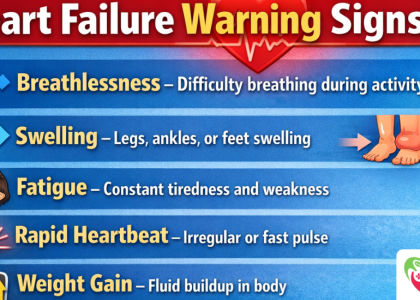
- Higher risk of heart failure in severe cases
Because these changes develop slowly, many people do not realize the damage until serious symptoms appear.
Hidden Sources of Salt in the Indian Diet
Many people believe that reducing table salt is enough. However, a large portion of sodium comes from packaged and processed foods.
Common hidden sources include:
- Packaged snacks such as chips and namkeen
- Instant noodles and ready-to-eat meals
- Pickles and chutneys
- Processed meats
- Restaurant and fast foods
Regular consumption of these foods can significantly increase daily salt intake.
How Much Salt Is Safe?
Health experts generally recommend limiting salt intake to about 5 grams per day (around one teaspoon). Unfortunately, many people consume almost double this amount without realizing it.
Reducing salt intake can help lower blood pressure and improve heart health over time.
Simple Ways to Reduce Salt Intake
Making small changes in daily habits can help control salt consumption.
Helpful tips include:
- Use herbs and spices instead of extra salt for flavor
- Limit packaged and processed foods
- Check nutrition labels for sodium content
- Cook more meals at home
- Eat more fresh fruits and vegetables
These simple steps can make a significant difference in protecting heart health.
Final Thoughts
Salt may seem harmless, but excessive intake can silently damage the heart over time. Being mindful of salt consumption and making healthier dietary choices can greatly reduce the risk of high blood pressure and heart disease.
Regular health check-ups, balanced nutrition, and an active lifestyle remain essential for maintaining strong heart health.